





















CS Ogamba: Tree Planting Could Generate Carbon Credit Millions to Fund Education
Ogamba said the Ministry of Education was committed to growing more trees through programmes that engage learners from primary schools to tertiary institutions in environmental conservation.

By Elizabeth Angira
RTN Correspondent Kisii County
Education Cabinet Secretary Julius Migos Ogamba says Kenya’s ambitious tree-growing campaign could earn revenue from carbon credits in international markets, providing additional resources for education, healthcare and other government projects.
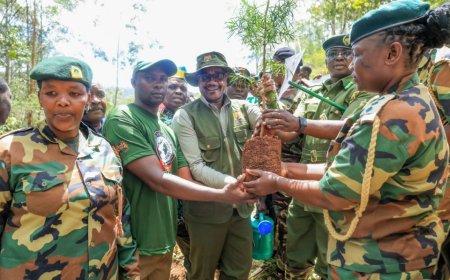
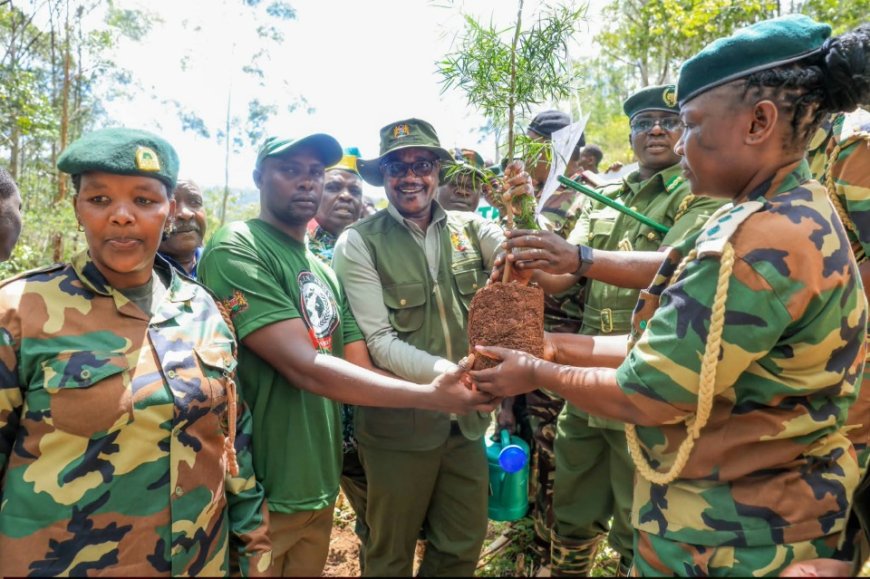
Ogamba spoke during a tree-planting exercise at Nyangweta Forest in Kisii County, as the country marked the 2026 Mazingira Day celebrations under the theme “Panda Miti, Boresha Mazingira.”
The exercise was part of the government’s campaign to plant 15 billion trees by 2032, aimed at increasing tree cover, restoring degraded landscapes and strengthening the country’s response to climate change.
He commended Kisii residents for achieving 26.4 per cent tree cover and urged them to work towards the national target of 30 per cent.
“We are almost at 26.4. We only have 4.4% remaining in order to figure out what we are going to do in 2032,” he said.
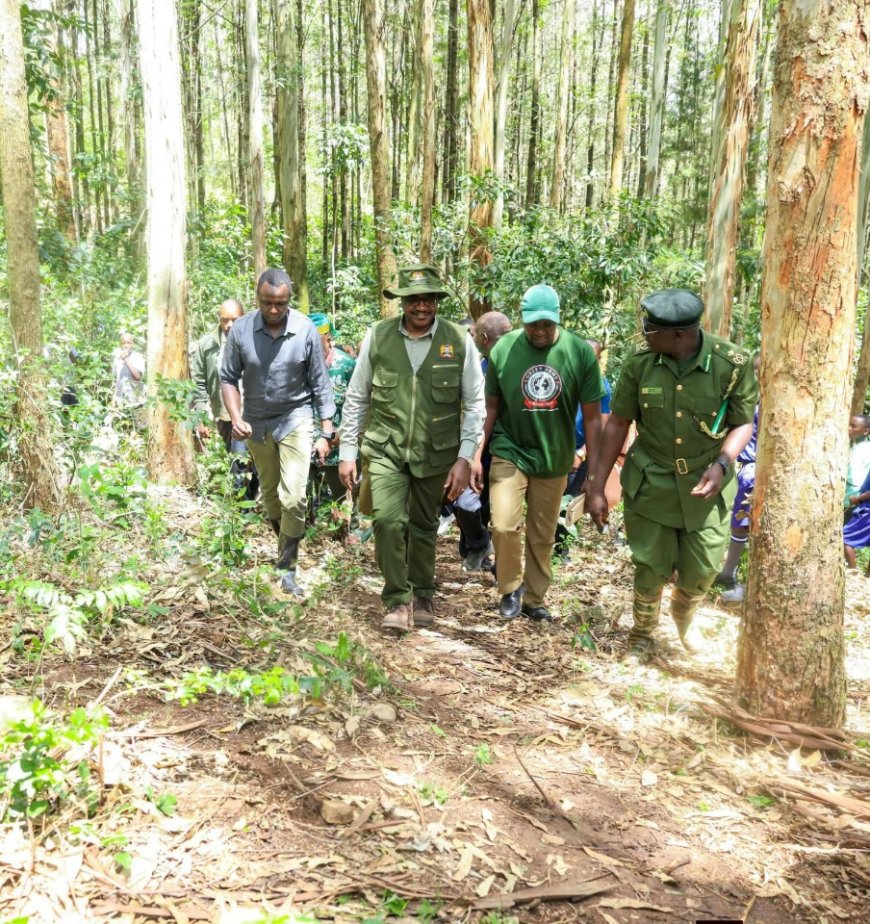
Ogamba said the Ministry of Education was committed to growing more trees through programmes that engage learners from primary schools to tertiary institutions in environmental conservation.
He also praised Kisii University, Kisii National Polytechnic and other education stakeholders for donating trees and taking a leading role in the exercise.
He said the involvement of schools and learning institutions was essential in building a culture of environmental responsibility among young people and ensuring that tree growing continues beyond national celebrations.
Carbon credits to support education and health
The Cabinet Secretary said the government was exploring ways to earn revenue from carbon credits through the national tree-growing programme.
“What we are doing about the 15 billion trees is that we will then be able to sell what we call carbon credit in the international markets.
So that we have enough resources which will then factor back into the education system and our social system, including health,” he said.
He added that the money would help government deliver the services citizens need.
“So that we have enough money to ensure that we get the services that we need from the government. So that we can benefit from it. It is something that we are doing,” he said.
Carbon credits are issued to projects that demonstrate measurable reductions in greenhouse gas emissions or removal of carbon dioxide from the atmosphere.
In forestry, activities such as forest restoration and tree growing may qualify if they meet recognised standards for measurement, monitoring and verification.
According to CS , planting trees does not, however, automatically generate carbon credits.
Projects must prove their climate benefits and meet the requirements of the relevant carbon market before credits are issued and sold.
Revenue would depend on the number of verified credits, market prices and the cost of establishing and maintaining the projects.
Ogamba urges residents to protect seedlings Beyond the potential financial benefits, Ogamba urged Kenyans to ensure that seedlings planted during environmental campaigns survive and grow to maturity.
He warned that conservation efforts would be undermined if seedlings were uprooted or destroyed after planting.
“But I want to urge each one of us that today is not just one day. It is important to continue planting trees,” he said.
He called on communities to take responsibility for protecting the seedlings and safeguarding the gains made.
“We should not allow people to take the seedlings from where they have been planted,” he said.
“Because now, those are people who are going to affect the job that we have done. We know what they are doing. They are ruining it.”
He said community participation would help protect the planted trees.
“But if we allow everyone to participate, no one will be able to take the seedlings from where they have been planted,” he added.
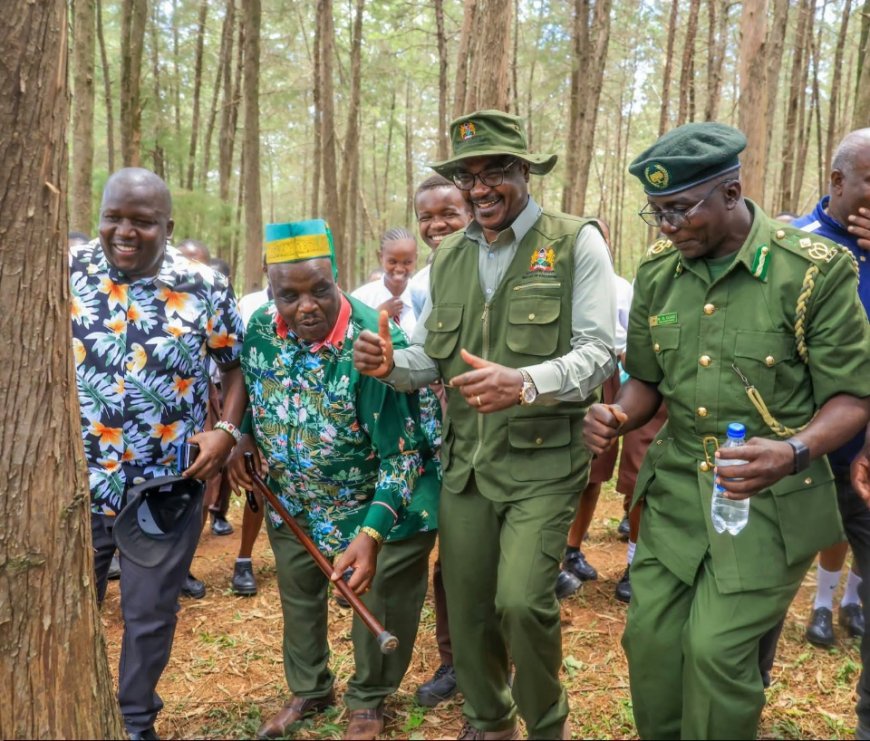
Nyangweta Forest offers eco-tourism opportunities Kisii Forest Conservator William Ojijo said Nyangweta Forest continues to provide a habitat for animals while offering opportunities for recreation, bird watching and eco-tourism.
In Kisii County, where many households depend on agriculture, forests play an important role in protecting water sources, reducing soil erosion and supporting farming.
Trees also absorb carbon dioxide and provide habitats for wildlife, though their benefits depend on planting suitable species in appropriate places and ensuring that the seedlings survive.
The message from the Cabinet Secretary was that tree planting should extend beyond a single celebration, with Kenyans taking responsibility for nurturing seedlings and protecting the environment for future generations.
What's Your Reaction?