





















How 'Bottom-Up Economic Model' is affecting ordinary Kenyans
By Annabel Obala.


Nearly two years since President Dr. William Ruto-led Kenya Kwanza government took over leadership, citizens have experienced sky-rocketing cost of living.
A majority of people who voted-in Ruto, hoped he would help better living conditions as he promised during the campaigns.
In mid-February last year, President Ruto and his Deputy Rigathi Gachagua addressed Kenyans assuring them they will reduce the cost of living, and pledged to provide affordable housing, cheaper cooking gas cylinders and promote the small scale business enterprises through issuing loans with zero interest rates.
However, Kenyans are now fast gathering over high taxation, unemployment opportunities, high cost of food and fuel prices, interest rate on Fuliza funds and increased Bank transaction charges amid the unfulfilled government promises.

The situation has worsened for those working in the informal sector like mama mboga and bodaboda operators, as many of them strain to adjust their normal spending amid tough economic times.
- CS Kithure Kindiki launches Kosile GSU camp to curb cattle rustling in Baringo.
- Governor Barchok amplifies women voices as county celebrate women's day
- Kerio Valley bleeds again
High cost of maize flour, fuel and electricity is also a major challenge that ordinary “mwananchi’ wanjiku, has had to adjust in order to survive.
A bodaboda operator in Kesses constituency, Uasin-Gishu County who sought anonymity says life has not been easy for him for the past few months.
He says he is now forced to skip his lunch to take care of his family's evening basic needs.
“Life has not been easy for me as a bodaboda operator, the price of fuel has rapidly increased and this has greatly affected me financially. We had hoped that the price of maize flour was going to decrease by Ksh 100, but unfortunately, we have not seen any progress since then," he says.
This motorbike rider says recently he makes a profit of less than 1000 shillings a day making it difficult to balance his personal and family needs, including paying his children school fees.
He however he attributes his predicament to losses incurred due to hiking on fuel prices.
Times have now changed for many Kenyans like him, he now operates on untold circumstances, compared to before, he could not wait for more than an hour without getting a customer, but right now because of the tough economy he says people preferably choose to board public transport vehicles which they consider cheap.
Sometimes these motorbike transport operators take home Ksh150 shillings after a day’s operation.
Meet Mbewa Cosmas, a 23-year-old Education student at Moi University operating his business in Chebarus shopping centre.
He has worked in the industry for close to a year now.
According to him, despite high cost of living he has to raise his rent, food and school fees for his last semester in Campus.
"Things haven't been easy due to shortage of money to restock my business" he says.
Like the rest of Kenyans, Cosmas pleads on the government to consider reducing the shooting prices of food and basic commodities.
In the past, he used to purchase goods from supermarket at a cheaper price unlike today, where the products are twice or thrice the initial price.

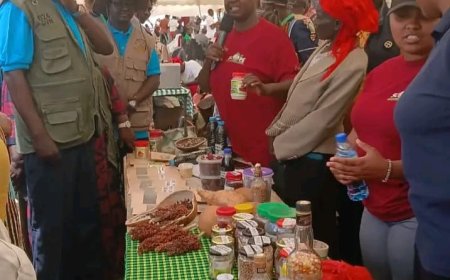
A small scale vegetable trader commonly known as mama mboga, among the affected by rising food prices. Photo Courtesy.
Cosmas says he only wants the president to lower food prices. He keeps struggling to take care of his needs in school.
In a shrinking job market, Jane Tallam (not her real name) a single mother of one and an English literature student at Moi University, sells groceries to survive and cater for the upkeep of her son.
Oftenly, she wakes up every day at 5 am in the morning and heads to the market to buy stock for her business.
Amid these tough economic times, she complains of high prices of commodities in the market forcing her to increase the retail price to her customers.
Tallam says the amount of profit she gets out of selling groceries a day is not enough to pay for her son’s needs, her semester fees and pay her house rent.
The little she gets, goes to feed her child first before paying her bills and this has greatly affected and drained her financially. She said the worsening situation has seen her sink into debts.
President Ruto has revised the times within which he had promised to lower the cost of living for Kenyans.
Consequently, mobile banking charges have also been introduced, further increasing the cost of transactions which is evidently seen to affect a lot of people especially University students who operate in hand-to-mouth.
Elphas Odhiambo, a fourth year student in Moi University says that he used to pay a service charge of Ksh 6 to transact 1000 shillings from his bank account to his M-Pesa account, but now the charges has doubled.
"The same amount could sustain me for a week unlike now I have to spend half of it for just one meal" he says.
This has pushed him to adjust his current expenditure, to which he claims the extra transaction cost could have been used to purchase something else.
Odhiambo further recalls how he used to purchase 2kgs of maize flour for only Ksh100 shillings.
However, this is no longer the case. With the same amount he hardly buys a packet of maize flour plus a sachet of salt.
This has forced him to cut down on most of his expenditure, and balance his expenses for survival.
Amid high inflation, Kenya kwanza has gone ahead to introduce heavy taxation to raise money for funding government programs.
The situation has been catalyzed by the fact that the head of state slashed subsidies on crucial commodities forcing Kenyans to dig deeper into their pockets to afford basic commodities.
Food shortage and high prices has contributed to tremendous increase in the cost of living, hence causing adverse mental strain to many Kenyans.
During the first five months of president William Ruto in office, many Kenyans, especially small-scale enterprises referred to as “the bottom economy “had high hopes in this government that presented themselves as people who understands the situation of the poor.
ANNABEL OBALA is a final year Journalism student at Moi University Email: nicolannabel29@gmail.com
What's Your Reaction?