


















Kakamega County partners with FAO on 6-year Tunza Green Climate Fund Project
The project is tailored to ensure the above named value chains are well up brought to meet the market sale demands.

BY WAKHUNGU ANDANJE
There is dire need to improve and strengthen poultry, coffee, fruit trees and African leafy vegetables farming to achieve the desired value chains.
This was made evident after the leadership of Kakamega County sought partnership with the food and agriculture organization (FAO) to realize a 6-year Tunza Green climate fund project.
The project is tailored to ensure the above named value chains are well up brought to meet the market sale demands.
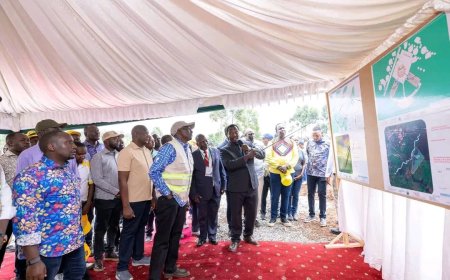
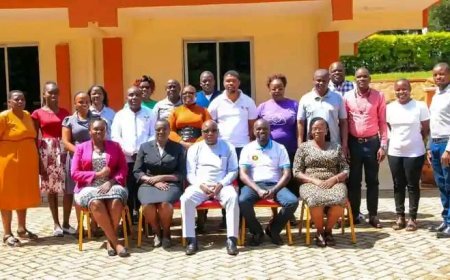
The Kakamega county chief executive committee member (CECM) department of agriculture Mophat Mandela, held a sensitization workshop encompassing agricultural officers drawn from Likuyani, Lugari, and Malava sub-counties within the Kakamega county where they deliberated on how best they can add value to the project by seeking funding from FAO.
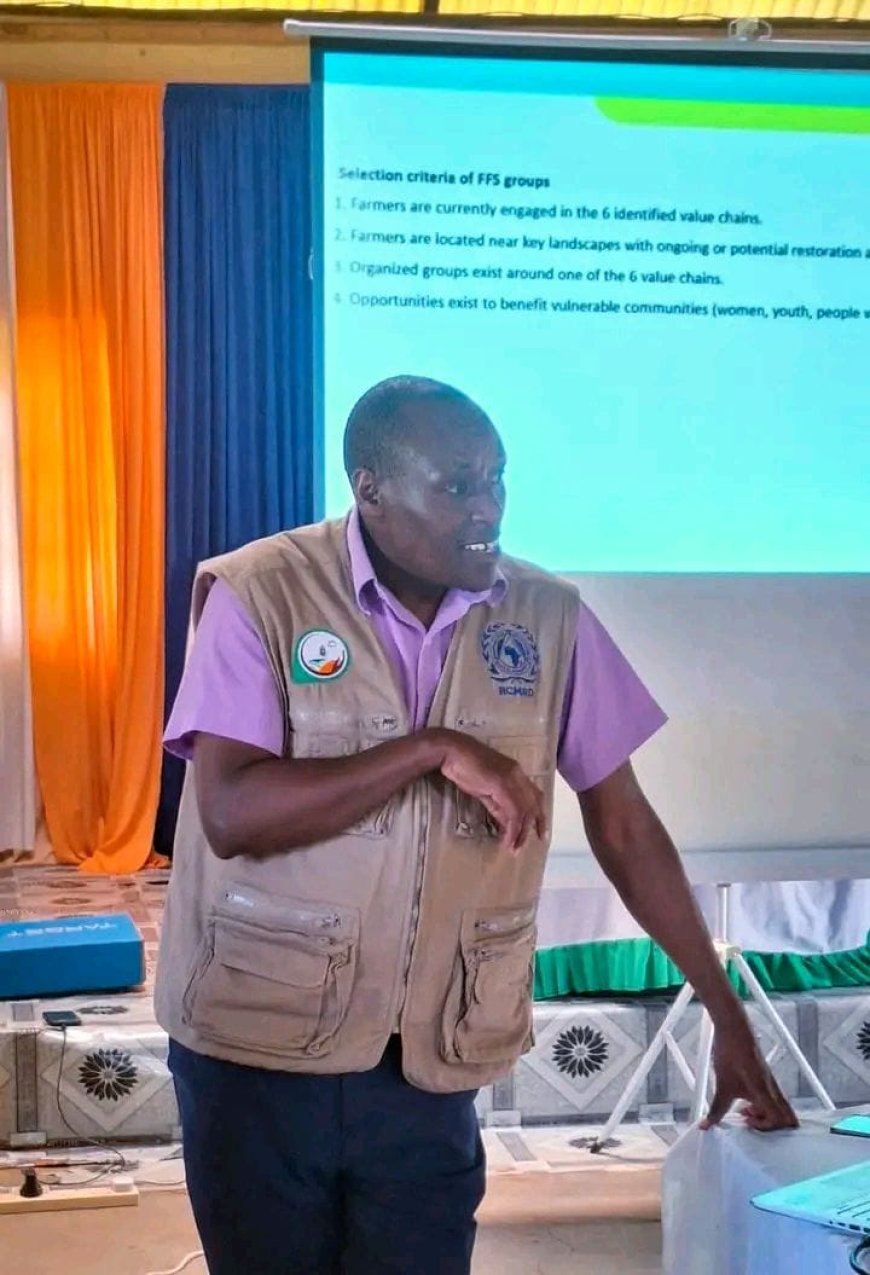
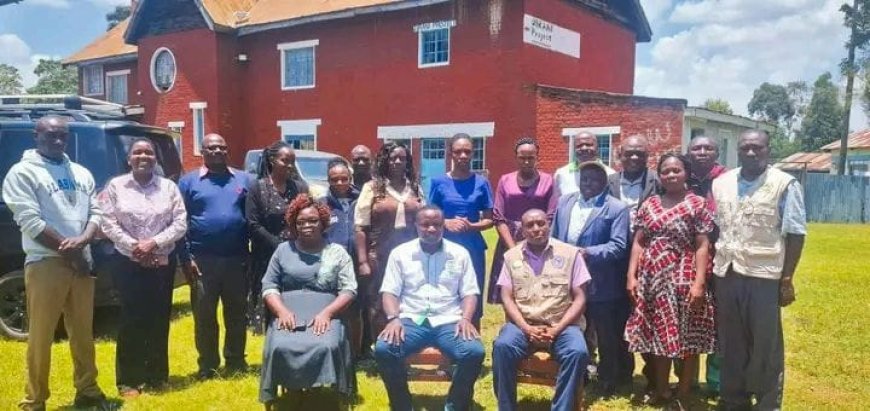
Tunza project coordinator Simon Ndung'u takes the participants through the importance of farmer field schools/ Wakhungu Andaje
The county agricultural minister applauded FAO’s commitment to supporting Governor Barasa’s food security agenda, noting that the Tunza project will improve productivity, help farmers adapt to climate change, and promote sustainability.
He emphasized that the project’s success will heavily depend on the dedication of their field officers.
“By the beginning next week, our officers will mobilize farmer groups across 20 wards in 12 sub-counties to apply for farmer field schools (FFS) of which the Tunza project will use to empower farmer organizations” He identified women and youth groups as being the key target that will be amplified to promote climate-smart technologies and market-driven farming models for high production.
“Farmer field School (FFS) is an approach based on people-centred learning where creates participatory methods to create an environment conducive to learning: the participants can exchange knowledge and experience in a risk free setting. Practical field exercises using direct observation, discussion and decision making encourage learning-by-doing.” he said.
The project coordinator Simon Nding’u also added that it is in the field space where local knowledge and outside scientific insights are tested, validated and integrated, in the context of local ecosystem and socio-economic settings.
Ndung’u noted that community-based problem analysis is the entry point for a FFS group to develop a location specific curriculum.
“A growing range of technical topics will be addressed through FFS including soil, crop and water management, seeds multiplication and varietal testing, agro-pastoralism, aquaculture, agroforestry, nutrition, value chain, and link to markets and FAO and other development organizations have been promoting FFS to address a broad range of problems and technical domains in over 90 countries.”

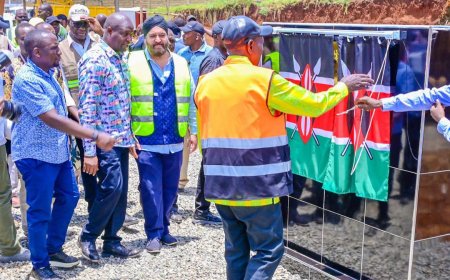
Kakamega county CECM Agriculture Mophat Mandela stressed a point during the county /FAO pact meeting/ Wakhungu Andaje
He observed that a farmer field school offers space for hands-on group learning, enhancing skills for critical analysis and improved decision making by local people.
FAO supports countries mandates to improve their climate drive by offering funding in those countries to meet the climate change mitigation and adaptation action.
Already since 2016, FAO in partnership with green climate fund (GCF) has raised over $ 1.7Billion through (CGF) grants and also through co financing for transformative projects across 5 regions.
What's Your Reaction?