














Ambitious Baringo Cattle Dip That Never Was
How tribal politics left Baringo South's cattle dips to the cover of obnoxious overgrown Mathenge (Prosopis Juliflora) weed.

By Jeremiah Chamakany
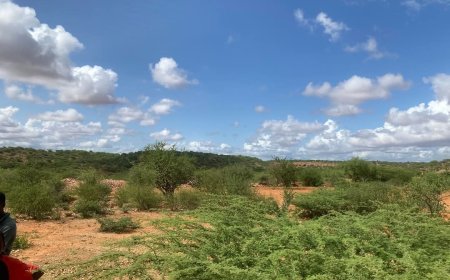
In Baringo South, tsetse flies never allow peace for anyone or animal to rest under a shade to avoid the blazing hot sun.
The story is about Parkaren cattle dip in Ilchamus Ward, in Baringo South.
This is the place where tsetse flies continue to bristle for decades, especially in a region where cattle dips have been established to ensure that not only bloodsucking ticks are dealt a blow, but also the tsetse flies that have traditionally occupied the region—even forcing the authorities to establish a research center somewhere in Maji Moto.
In Ilchamus Ward, Baringo South, under the leadership of Member of County Assembly(MCA) Wesley Ole Kakimon and area MP Charles Kamuren, a cattle dip was constructed.
However, it has never been utilized by locals, who have refused to accept that the Independent Electoral and Boundaries Commission (IEBC) identifies the region as Ilchamus Ward.
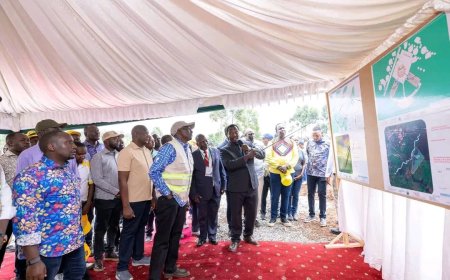
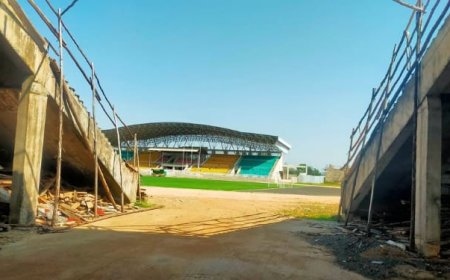
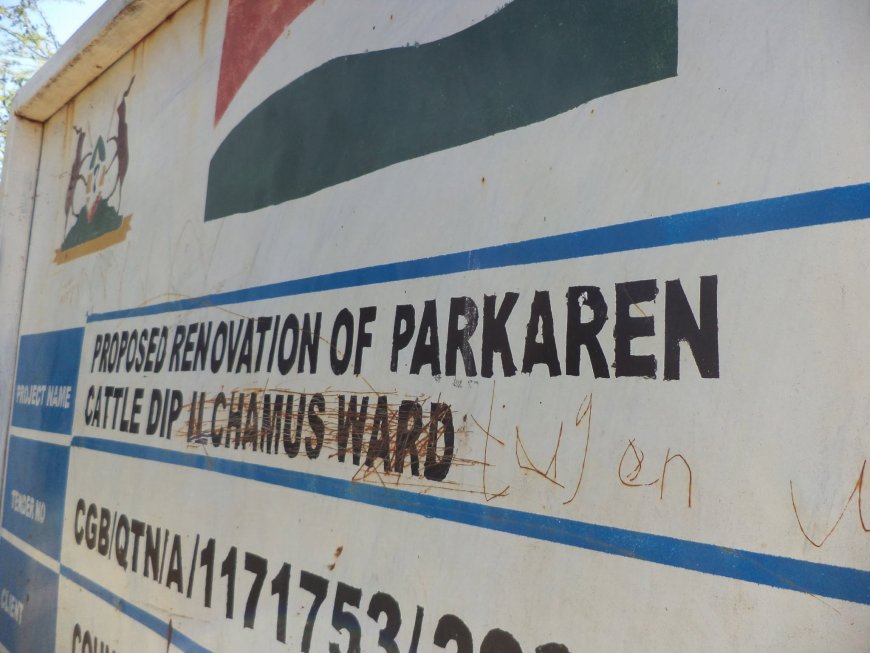 Proposed Parkaren cattle dip in Ilchamus Ward, Baringo South
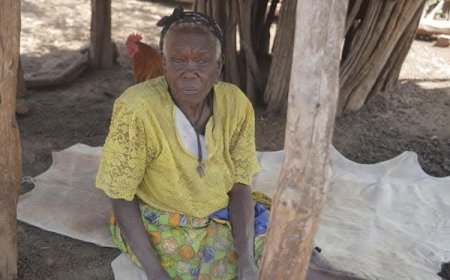
The local Tugen community is deeply unhappy. To show their discontent and rebellion against the IEBC's alleged refusal to let them join Mochongoi Ward or create a Tugen Ward, they have completely refused to use the cattle dip to safeguard the future of their livestock and human health, leaving the multi-million shilling facility unused and exposed to the elements.
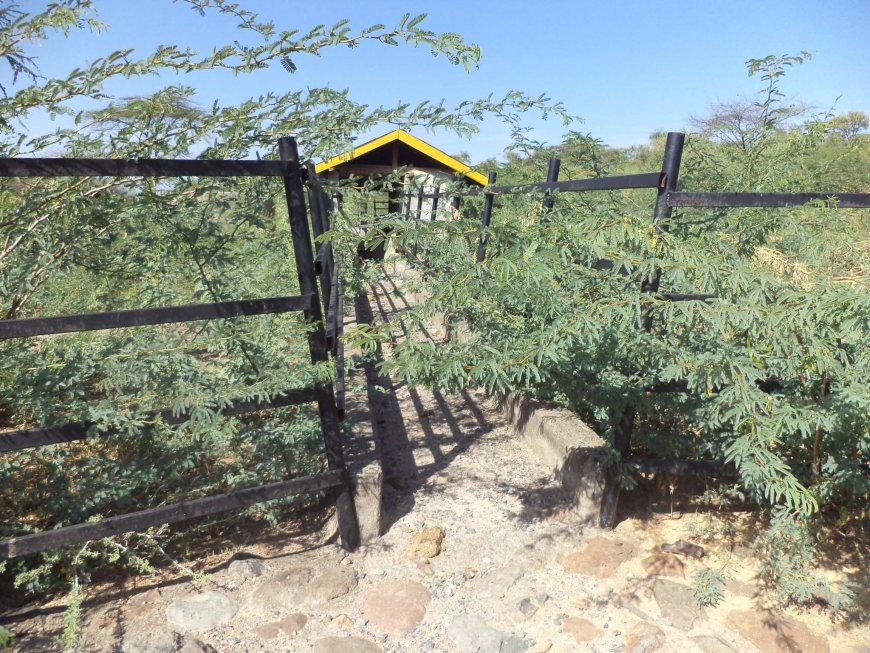
Rural Times News visited the facility and established that the notorious Mathenge Prosopis Juliflora shrub is colonizing it, with a huge padlock at the foot ramp of the cattle dip sending a clear message: its use has been postponed until the region is no longer identified as Ilchamus Ward, but as the proposed Tugen Ward.
The power of negative ethnicity in Baringo South is nothing new. Powered by elites from both the Ilchamus and the Tugen/Endorois communities, the constituency faces a bleak future following the creation of Mukutani Sub-county by President William Ruto on November 8, 2024.
He made the announcement during the Maa Cultural Festival in Samburu County to improve representation and service delivery for the minority Ilchamus community in Baringo South.
While the move aimed to boost both the political and administrative representation of the small Ilchamus community, which inhabits the region around Lake Baringo, it only served to create a tribal enclave.
The Tugen and the Endorois feel left out, made to feel like minorities in a region where the Ilchamus people, through their tribal zealots, now rule as lords and are likely to do what educated Africans know best: poison the system meant to ensure inclusivity in resource sharing and service delivery.
Recently, a tug-of-war raised dust and fueled more tribal suspicion in the region when the leaders of the Ilchamus community, led by one of their elites, announced plans to annex parts of Naromoru in Mochongoi to create a forest.
The Tugen/Endorois felt the plan was a ploy to dispossess them of their ancestral lands. The weight of the words that flowed from the mouth of the region's Women's Representative, Florence Jematia, was more powerful and threatening than the swollen Perkerra River.
However, she met her match in well-known Ilchamus chief Bonface Lesaris, who earned many political points as he prepares to capture the Ilchamus Ward seat in the 2027 general elections.
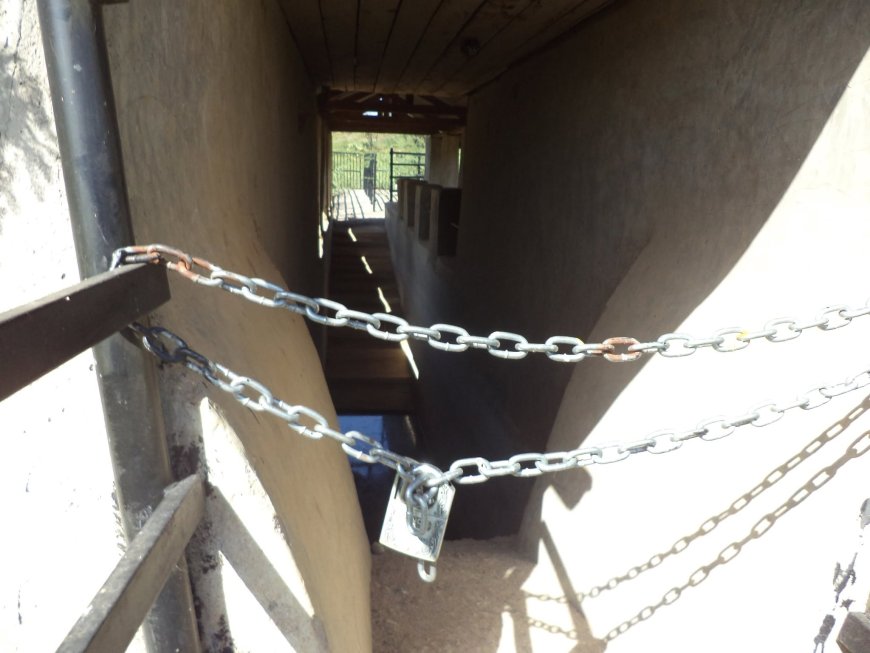
Stalled project locked with padlock and a chain
Their exchange of harsh words served as an accurate thermometer to measure the temperature of tribal suspicion and distrust in the region's resource management and allocation.
As the next general election approaches, the tribal card in Baringo South will become more toxic, especially because the Ilchamus are likely to field their own candidate to contest against Charles Kamuren.
Kamuren will be fighting to survive in a crowded field of 2027 parliamentary aspirants, all fighting to control the dining table and decide who will eat, and who will survive on crumbs for the next five years—a stark political reality in Kenyan leadership famously captured in Michela Wrong's book, It's Our Turn to Eat.
This spells doom for a region that should remain ethnically united—not only in the fight against ravaging desertification and food scarcity, but also against those dangerous tsetse flies.
What's Your Reaction?